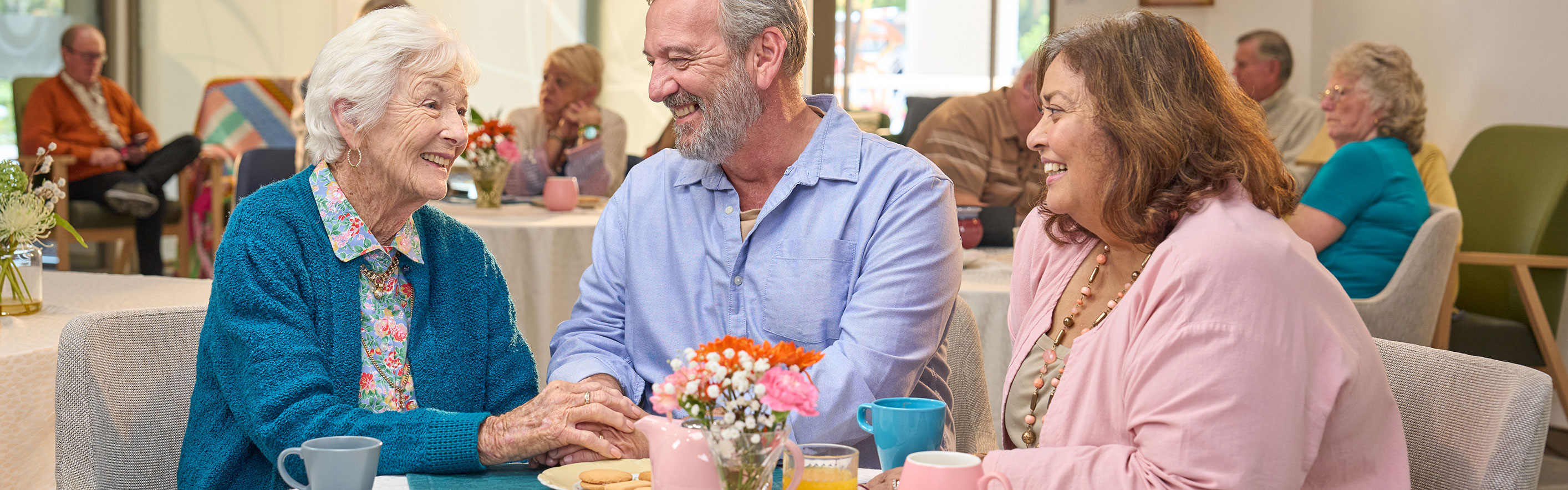
Last year WA experienced one of the worst flu seasons on record, resulting in our hospitals treating thousands of seriously ill patients of all ages.
That’s why ahead of this year’s winter flu season we’re asking more Western Australians to ‘Be Wise, Immunise’.
Getting the flu vaccine is one of the best ways you can protect yourself and your loved ones.
To protect our community and each other, we’ve set targets to encourage as many people as possible to get vaccinated.
We are stronger together so be wise and immunise to help Western Australia beat the flu this winter.
Last year WA experienced one of the worst flu seasons on record, resulting in our hospitals treating thousands of seriously ill patients of all ages.
Winter brings a higher risk of respiratory illnesses, especially influenza and RSV. The best way to reduce your risk of getting sick and prevent severe illness is to get the seasonal flu vaccine and RSV vaccine if eligible.
The flu vaccine is available for free from 1 May to 31 July for people aged 6 months and over. After 31 July, it remains free for people aged 65 years and over, who are at higher risk of serious complications from influenza. Eligible pregnant women, infants, young children and older adults can be immunised for free against RSV.
Getting vaccinated at any time during the influenza season can help prevent flu infections. It can take up to two weeks after vaccination for the body to develop protection (antibodies) against the influenza virus.
Influenza spreads through tiny particles released into the air when a person with the virus coughs, sneezes, talks, or breathes. A person can catch the influenza virus by being close to someone who is sick or by sharing the same closed space. It can also be spread by hands contaminated by the virus.
This year, a needle-free nasal spray (FluMist) is available for children and adolescents aged 2 to 17 years.
Immunisation is one of the most effective ways to protect yourself, your family, and the wider community from serious infectious diseases.
In WA, immunisations are available through GPs, local immunisation clinics, community pharmacies and Aboriginal Medical Services.
Staying up to date with vaccines helps your immune system recognise and be prepared to fight germs before you are potentially exposed to them, reducing the risk of developing severe illness, hospitalisation, and long-term complications.
Annual influenza vaccination is the most important measure to prevent influenza and its complications. It is recommended for all people 6 months and over.
From April to September, the National Immunisation Program (NIP) provides annual influenza vaccination cost-free to at-risk groups, including children under 5, people over 65, pregnant women, Aboriginal people and those with underlying health conditions.
In May, June and July, everyone aged 6 months and older in WA can receive a free flu vaccine.
You can book an appointment at a participating GP, Aboriginal Medical Service, community immunisation clinic or for people aged 2 years and over, at a community pharmacy.
Please note: individual providers may charge a consultation or service fee. Make sure you check costs when booking your appointment.
RSV immunisation is recommended for people at higher risk, including:
Your eligibility and timing for RSV immunisation may vary depending on your age, health status and stage of pregnancy.
Immunisation is recommended at specific stages throughout life. These schedules are based on the National Immunisation Program (NIP) and additional WA‑funded vaccines, and evidence-based information on vaccine safety and efficacy.
Children receive vaccines from birth to 4 years to protect them from diseases such as whooping cough, measles, meningococcal disease, pneumococcal disease, and hepatitis. Childhood vaccines are free for eligible families, and up‑to‑date immunisation is required for childcare and early education enrolment in WA.

Adolescent immunisation is mainly delivered through school programs (Year 7 and Year 10), protecting against HPV, diphtheria‑tetanus‑pertussis (dTpa), and meningococcal ACWY. Catch‑up vaccines are available up to age 20 (or 26 years for HPV).
Adults may need vaccines depending on age, health conditions, pregnancy, occupation, or travel. Some vaccines are free under the NIP or WA-funded programs.
If you or your child have missed recommended vaccines, free catch-up options are available for many age groups. Refugees and humanitarian entrants are eligible for free catch-up vaccines at any age.
Getting vaccinated is usually quick and straightforward:
Learn more about how vaccines are tested, monitored, and proven safe to protect you and your community.
Stay well to keep doing the things you love this winter.
Keeping your immunisations up to date ensures the best protection. You can check your records through: